



Building Insurance Claims and Surveyor Fees Explained
Clear, practical guidance on policy wording, statutory building requirements, professional fees, and insurance reinstatement works with Kellys Chartered Building Surveyors.
Experiencing substantial property damage from a fire, escape of water, or storm presents immediate practical and financial challenges. Following the initial incident, property owners are often required to manage technical documentation and liaise with multiple insurance representatives while attempting to understand their policy terms.
At Kellys Chartered Building Surveyors, we believe in complete clarity from the outset. Many property owners are unsure whether they can appoint their own independent surveyor, who pays the professional fees, or how modern statutory building regulations are treated during insurance reinstatement works.
This guide explains how standard UK building insurance policies operate in practice, the documentation you should request from your insurer, and how independent RICS oversight protects the technical quality and statutory compliance of your reinstatement works.
Obtaining Your Full Policy Wording
When you arrange or renew buildings insurance, your insurer provides a Policy Schedule alongside an Introductory Summary (or Insurance Product Information Document). This summary outlines your basic sums insured and standard perils such as fire, flood, or storm, but it omits the detailed contractual clauses that govern major reinstatement works.
To understand the exact terms governing your property, you should contact your insurer or broker directly and request your Full Policy Wording (often referred to as the policy booklet).
Within that full policy wording, two primary clauses dictate how professional support and modern building standards are treated during reinstatement works.
1. Professional Fees for Surveyors, Architects, and Engineers
Standard UK building insurance policies generally contain an extension covering Professional Fees (often titled Architects', Surveyors', Legal and Consulting Engineers' Fees).
This clause covers the reasonable costs of appointing qualified professionals to inspect structural stability, prepare technical specifications of works, manage competitive contractor tenders, and administer the building contract on site. This cover is typically subject to your overall Buildings Sum Insured or a stated percentage cap.
Upfront Survey Costs Versus Reinstatement Fees
Transparency regarding professional fees is essential. While property owners have the freedom to appoint their own independent professional advisers, whether an insurer will reimburse or fund those costs is governed strictly by the terms of the insurance contract.
Building policies typically cover surveyor fees necessary for designing, specifying, tendering, and administering the physical reinstatement works. However, standard policy wordings specifically exclude fees incurred solely in preparing, presenting, or negotiating an insurance claim.
The Initial Inspection and Defect Report
The initial survey required to inspect the damage, assess immediate structural safety, and produce an objective technical defect report is instructed and paid for directly by the property owner at the outset. Submitting a thorough technical report from a Chartered Building Surveyor provides clear, factual evidence of the damage, giving the appointed Loss Adjuster verified building defect data to initiate the technical scope of the claim. As this initial report is produced to establish the technical facts prior to formal reinstatement approval, it is funded directly by the property owner rather than covered as an insured peril.
Agreeing Ongoing Specification and Contract Administration Fees
Once the insurer formally accepts the claim and confirms policy liability, the ongoing professional fees for us as Chartered Building Surveyors to prepare the detailed Schedule of Works, manage statutory compliance, tender the works, and administer the building contract on site are typically funded under the professional fees clause.
There is little benefit in agreeing a fee proposal with you before knowing whether your insurer will fund it. Therefore, before asking you to formally instruct us for these ongoing stages, we submit our fee proposal to the appointed Loss Adjuster and insurer to obtain their written agreement in principle. Once we receive that written confirmation from the Loss Adjuster, we share it directly with you so you can formally instruct us with confidence, knowing the agreed fee structure is approved within your claim. Should you choose not to proceed at that stage, no ongoing instruction is entered into.
Contractual Liability and Scope Changes Under Our Terms of Engagement
Please be advised that under our Terms of Engagement, you, the property owner and policyholder, are our sole appointing client and our contract is strictly with you, not with your insurance company. Providing we follow this process and obtain written confirmation from the Loss Adjuster prior to your instruction, you will not face unexpected additional fees for the agreed scope of works. You would only be liable for additional costs if you subsequently instruct us to vary or expand the scope of works beyond what was agreed in writing with the Loss Adjuster, or if you wish to proceed with works that fall outside your policy cover.
While we obtain written confirmation from your insurer or Loss Adjuster before requesting your formal instruction, any agreement by an insurer to reimburse or fund fees remains a matter strictly between you and your insurer under your policy contract. Consequently, ultimate legal and financial responsibility for settling our invoices in accordance with our agreed payment terms rests solely with you as the appointing client, irrespective of any delay, shortfall, or dispute in payment from your insurer.
2. Building Regulations and the Public Authorities Clause
When a building suffers severe damage, it cannot simply be reinstated to the construction standards that existed decades ago. Current statutory legislation under The Building Regulations 2010 (as amended, including the dutyholder regime under the Building Safety Act 2022) requires significantly higher standards of fire safety, thermal performance, and structural integrity.
In insurance policies, this requirement is addressed under the Public Authorities Clause (sometimes titled Local Authority Requirements or Statutory Compliance).
Statutory Upgrades and Acts of Parliament
Installing modern materials and systems to comply with current legislation costs considerably more than replacing older construction on a like-for-like basis. Under the Public Authorities Clause, the insurer generally covers the additional cost of reinstatement incurred solely to comply with:
• Acts of Parliament and statutory legislation
• Current Building Regulations, including Part B (Fire Safety), Part L (Conservation of Fuel and Power and thermal upgrades), and Part A (Structural Safety)
• Local authority building control requirements
This clause ensures that your insurance company covers the necessary extra expense of upgrading the damaged portions of the property to meet current statutory standards, subject to three key conditions:
1. The local authority had not already served a statutory enforcement or dangerous structure notice regarding that defect prior to the insured incident.
2. The upgrades relate strictly to the damaged parts of the building (costs to upgrade undamaged sections are typically excluded unless specifically required as a statutory condition of approving the repair and permitted under your policy wording).
3. Total reinstatement costs, including statutory upgrades, debris removal, and professional fees, remain within your policy's Buildings Sum Insured (if a property is underinsured, insurers may apply the Condition of Average and reduce the settlement proportionally).
Loss Adjusters Versus Chartered Building Surveyors
Property owners frequently confuse the roles of the various professionals who attend the site following damage.
The Loss Adjuster
The insurance company appoints and pays a Loss Adjuster to investigate the cause of damage, verify policy liability, and assess the financial scope of the claim against your policy terms. While Chartered Loss Adjusters operate under professional codes of conduct, they are instructed by the insurer to manage the claim on the insurer's behalf.
Kellys Chartered Building Surveyors
Kellys Chartered Building Surveyors act exclusively for you, the property owner. We are an independent, family-run practice regulated by the Royal Institution of Chartered Surveyors (RICS). We do not work for insurance companies. Our role is to carry out thorough defect investigation, diagnose hidden structural and moisture issues, produce independent Schedules of Works, assist you in meeting your statutory client duties under the Construction (Design and Management) Regulations 2015 (CDM 2015) and the Building Regulations 2010, and administer the building contract so reinstatement works are executed properly.
Providing an independent technical report from an RICS surveyor gives the Loss Adjuster clear, verifiable information from the beginning, helping prevent essential structural and statutory works from being omitted from the agreed reinstatement scope.
Additional Statutory and Reinstatement Matters
When preparing a specification and reinstatement budget for your property, we also check that your technical scope accounts for the following statutory and practical provisions within your policy wording:
• The Party Wall etc. Act 1996: Where structural reinstatement works affect shared boundaries, party parapets, or separating walls, statutory Party Wall notices must be served, and Party Wall Awards agreed before standard works commence. We ensure these statutory procedures are administered correctly and that associated surveyor fees are identified within your reinstatement budget.
• Debris Removal, Shoring, and Hazardous Materials: Confirming your technical scope covers the cost of propping dangerous structures, making the building safe, clearing site debris, and safely removing disturbed hazardous materials in accordance with the Control of Asbestos Regulations 2012 (particularly relevant in properties built prior to 2000).
• Alternative Accommodation or Loss of Rent: Checking that your project programme accounts for the time required for structural drying and reinstatement works, allowing you to confirm appropriate temporary living arrangements for your household, or alternative premises and loss of rent cover for commercial and tenanted properties, directly with your insurer.
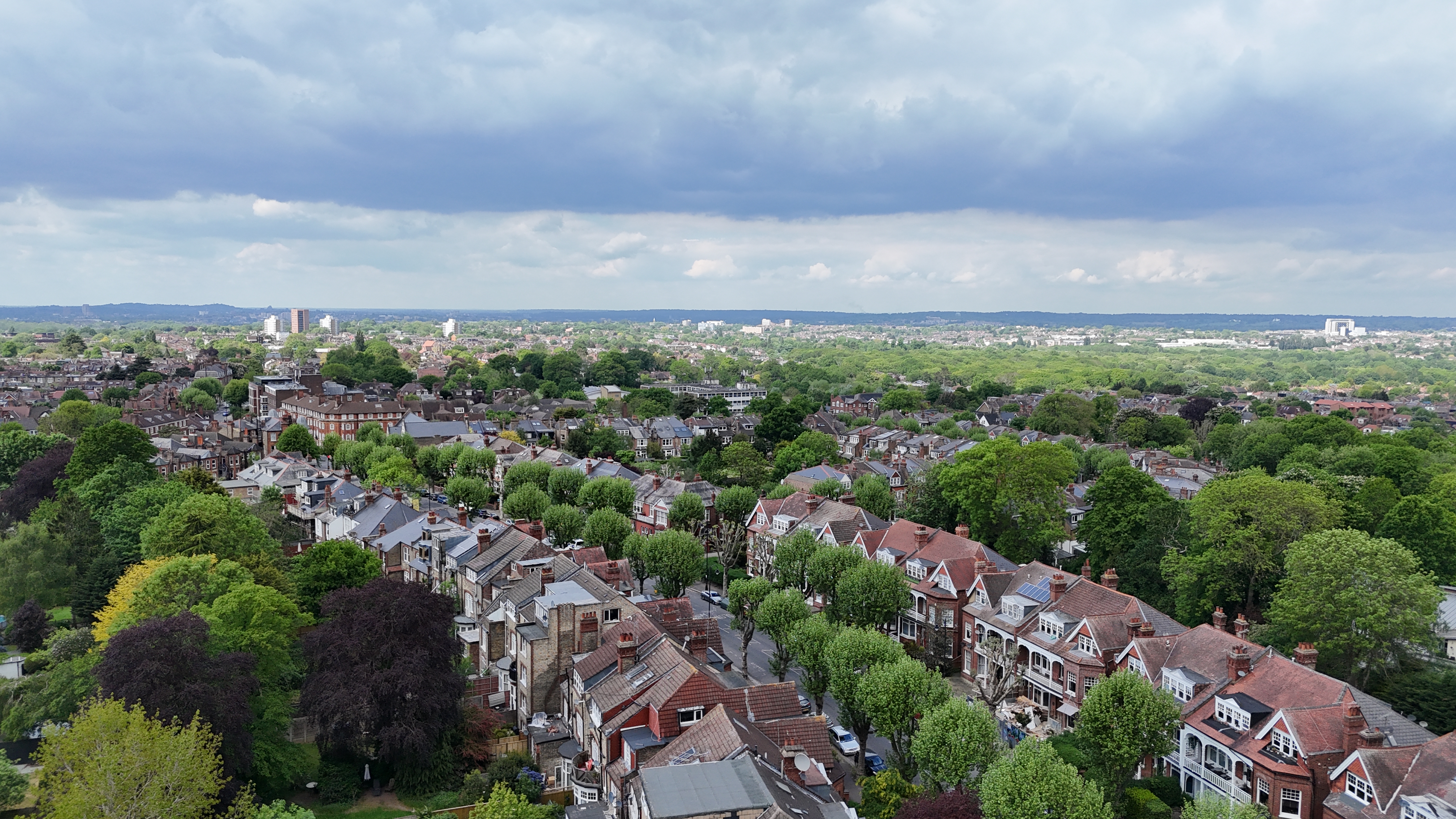
Speak With an Independent Chartered Building Surveyor
If your property has sustained significant damage and you need clear technical guidance on structural repairs, statutory building regulations, and how independent surveying fees are structured, our team is ready to assist across London, Kent, Sussex, and Essex.
Once you have obtained your Full Policy Wording from your insurer, contact Kellys Chartered Building Surveyors on 0208 466 0717 to discuss your property damage, your statutory obligations as a building owner, and the practical steps required to specify and oversee your reinstatement works.
Disclaimer and important information:
Regulatory Notice: Kellys Chartered Building Surveyors is regulated by RICS and provides independent building surveying, defect diagnosis, specification, and contract administration services. We do not act as insurance brokers, loss assessors, or FCA-regulated claims management companies, and we do not provide legal, financial, or regulated insurance mediation advice.
General Information Disclaimer: The information provided on this page is for general guidance only and does not constitute formal professional, legal, or insurance advice upon which reliance may be placed. Every property, construction type, and insurance policy contract is unique, and reinstatement works are subject to individual site conditions, specific policy terms and exclusions, insurer scrutiny, and local authority building control or statutory requirements. Formal advice and fee proposals can only be provided following a physical site inspection and review of your specific project requirements under a signed Terms of Engagement agreement with Kellys Chartered Building Surveyors.