



Worried About Wall Cracks?
A Guide to Non-Structural Cracking - Expert advice from Kellys’ Chartered Building Surveyors in Bromley
Finding a new crack in your brickwork or internal plaster is always a sinking feeling. We understand that your immediate thought might be subsidence.
In 2026, with the UK experiencing increasingly extreme weather fluctuations, particularly long, dry spells that dry out the soil, homeowner concerns across Bromley, Kent, and South East London are completely understandable.
However, the reality is usually far less sinister. Most small cracks are entirely normal. But how can you tell the difference between a cosmetic blemish and a structural warning sign?
Here is our professional guide to diagnosing non-structural cracking.
Why Do Houses Crack?
Before you panic, it helps to understand that your house is not completely static; it is constantly moving.
Most masonry materials used in UK homes (like plaster, render, and brick) are dense and rigid. As your house experiences seasonal changes, these materials expand and contract slightly, a process known as thermal movement.
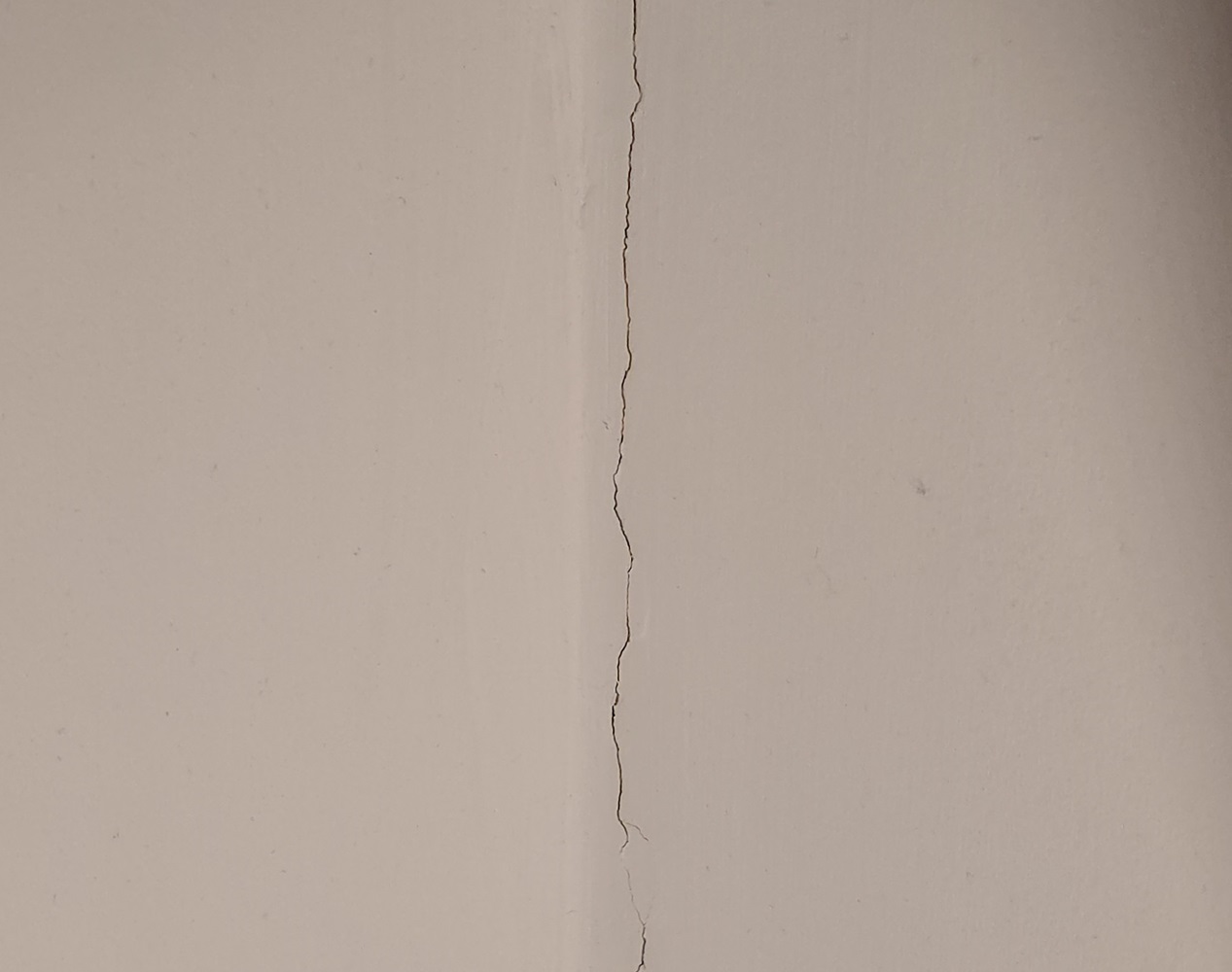
Because materials like plaster cannot stretch, they develop minor fractures to relieve the tension. In Kent's varied housing stock, from Victorian terraces to modern new builds, this is a natural and expected process and is often referred to as non-structural. This simply means that the minor cracking does not affect the structural integrity of the building.
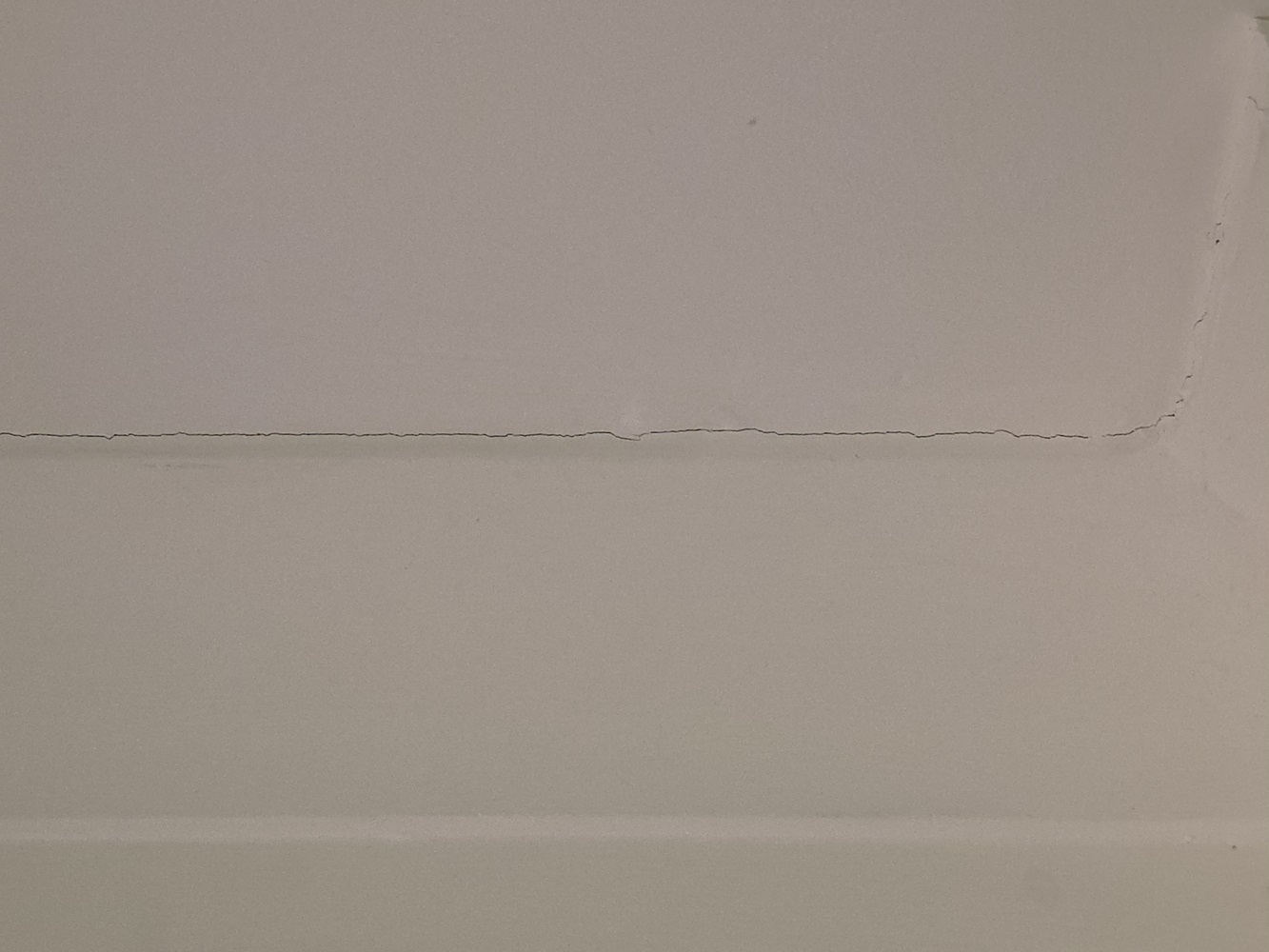
The Paperclip Test: Identifying Hairline Cracks
The most common fractures we see on surveys are hairline cracks.
- The Width: They are typically less than 0.1mm to 2mm wide, roughly the thickness of a standard metal paper clip.
- The Location: They often run perfectly vertically or horizontally. You will usually spot them following the joints of plasterboard, the line where the wall meets the ceiling, or along the mortar lines in brickwork.
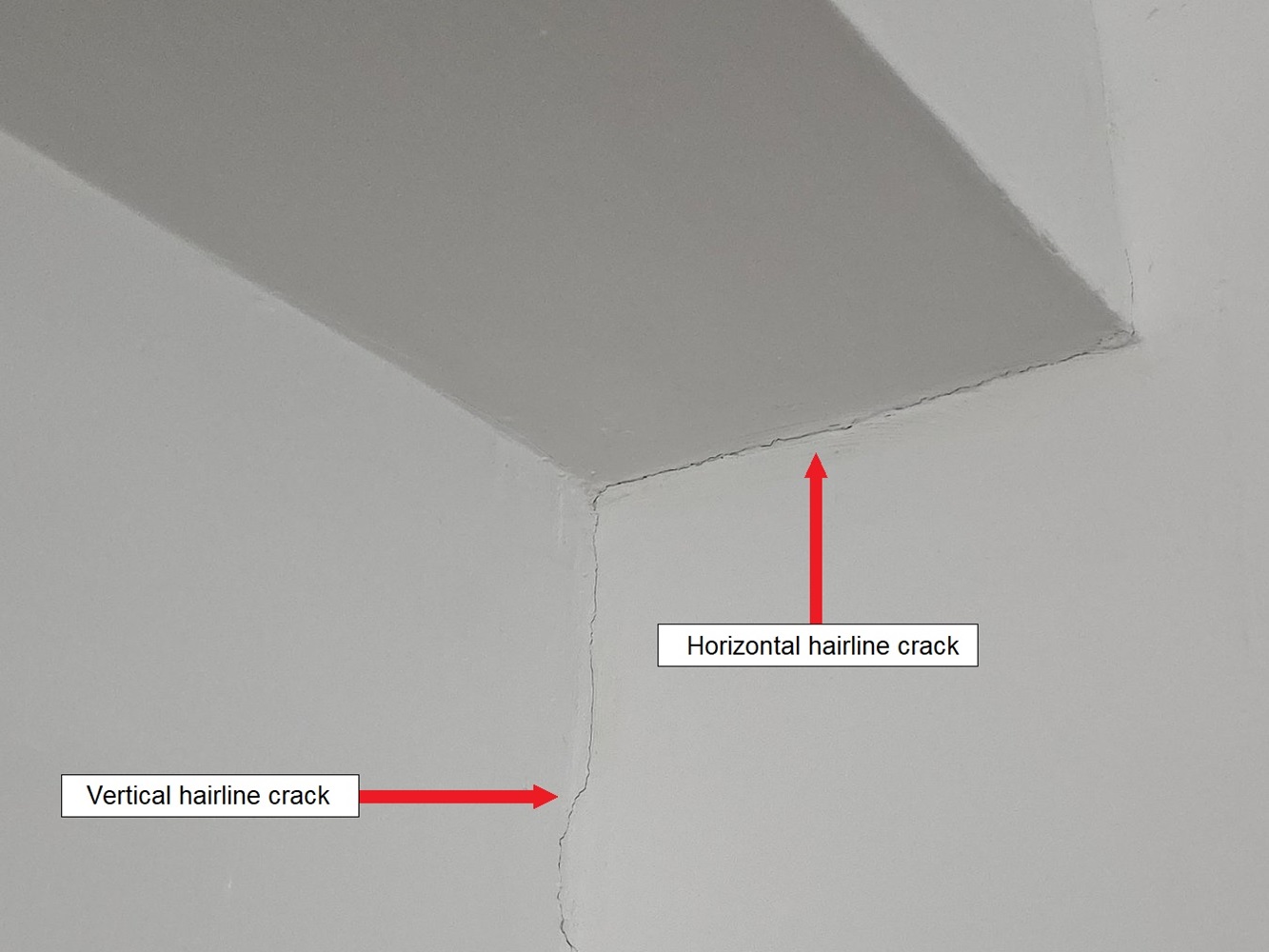
How Surveyors Assess Damage: BRE Digest 251
As Chartered Building Surveyors, we do not rely on visual speculation. We assess cracks against the industry bible for building pathology: BRE Digest 251 (Assessment of Damage in Low-Rise Buildings).
Historically, following a surge in subsidence claims during severe droughts, the Building Research Establishment (BRE) assessed 130 affected properties. They created a definitive 6-tier classification system (Categories 0 to 5) to help surveyors determine exactly what repairs are necessary.
For non-structural cracking, we look at the first three tiers, which the BRE strictly classifies as "Aesthetic" issues:
- Category 0 (Negligible): Hairline cracks less than 0.1mm. Action: None required.
- Category 1 (Very Slight): Fine cracks up to 1mm, rarely visible externally. Action: Easily treated with normal decoration.
- Category 2 (Slight): Cracks up to 5mm. Doors and windows may stick slightly. Action: Easily filled. May require minor external repointing to maintain weather-tightness.
Most of the "worrying" cracks homeowners find fall firmly into these safe, aesthetic categories. They can simply be masked with flexible filler during your next redecoration.

Actionable Advice: What should you do next?
If you have found a crack that fits the descriptions above, do not panic. We recommend monitoring it. Take a clear photo of the crack with a ruler (or a coin) next to it for scale, and check it again in three to six months to see if it has widened.
When to Worry: Passing the Pound Coin Test
We become concerned when cracks cross the 5mm threshold or, crucially, if the width of the crack is actively increasing over time.
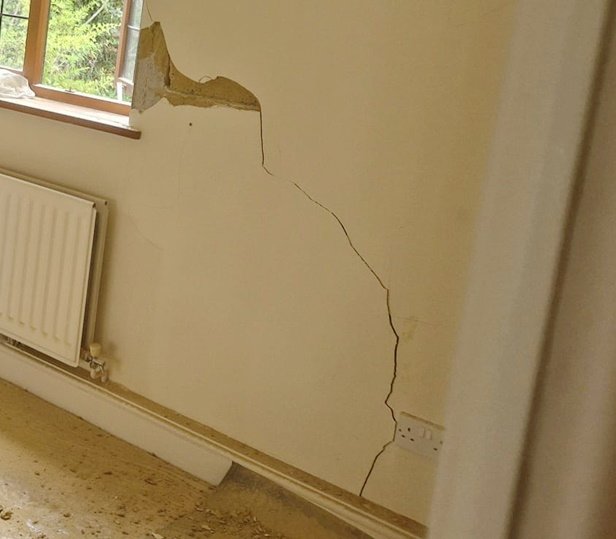
If your crack is double the thickness of a 3mm-thick pound coin (exceeding 5mm), is distinctly diagonal or stepped, or gets wider at the top than at the bottom, it moves out of the aesthetic categories. It becomes a Serviceability or Stability issue (BRE Categories 3, 4, and 5), which may indicate subsidence or foundation movement.

Want to know more about the severe categories and what subsidence looks like? Read Our Guide to Structural Cracks & Subsidence in UK Homes.